Menu
Menu
" width="150.00000280557782px"><path d="M 0 0 L 9.184 0 L 9.184 1.858 L 0 1.858 Z" fill="rgb(255, 255, 255)" height="1.8578504429701468px" id="dQs6OteM2" width="9.183672849523147px"/><path d="M 0 0 L 1.913 0 L 1.913 8.918 L 0 8.918 Z M 0 28.611 L 9.184 28.611 L 9.184 30.469 L 0 30.469 Z" fill="rgb(255, 255, 255)" height="30.468749414527764px" id="L07cnei_U" width="9.183672849523147px"/><path d="M 0 0 L 1.913 0 L 1.913 8.918 L 0 8.918 Z" fill="rgb(255, 255, 255)" height="8.917682126256722px" id="JtFJchJ_7" transform="translate(0 21.551)" width="1.913265176983923px"/><path d="M 0 0 L 9.184 0 L 9.184 1.858 L 0 1.858 Z" fill="rgb(255, 210, 0)" height="1.8578504429701468px" id="IpGwzgF8J" transform="translate(140.816 0)" width="9.183672849523134px"/><path d="M 0 0 L 1.913 0 L 1.913 8.918 L 0 8.918 Z" fill="rgb(255, 210, 0)" height="8.91768212625675px" id="EklDwzUOP" transform="translate(148.087 0)" width="1.9132651769839413px"/><path d="M 0 0 L 9.184 0 L 9.184 1.858 L 0 1.858 Z" fill="rgb(255, 255, 255)" height="1.8578504429701468px" id="mrIdty1ev" transform="translate(140.816 28.611)" width="9.183672849523134px"/><path d="M 135.077 13.909 L 136.99 13.909 L 136.99 22.827 L 135.077 22.827 Z M 4.898 10.578 C 5.528 10.578 6.009 10.355 6.34 9.909 C 6.673 9.461 6.84 8.811 6.84 7.96 C 6.84 7.108 6.673 6.46 6.34 6.013 C 6.009 5.565 5.528 5.341 4.898 5.341 C 4.269 5.341 3.785 5.566 3.446 6.016 C 3.109 6.465 2.941 7.113 2.941 7.96 C 2.941 8.806 3.109 9.454 3.446 9.904 C 3.785 10.353 4.269 10.578 4.898 10.578 Z M 2.941 4.79 C 3.348 4.269 3.798 3.885 4.291 3.638 C 4.784 3.391 5.351 3.267 5.993 3.267 C 7.127 3.267 8.059 3.705 8.786 4.58 C 9.516 5.456 9.881 6.582 9.881 7.96 C 9.881 9.338 9.516 10.465 8.786 11.342 C 8.059 12.218 7.127 12.655 5.993 12.655 C 5.351 12.655 4.784 12.532 4.291 12.285 C 3.798 12.036 3.348 11.651 2.941 11.13 L 2.941 12.423 L 0 12.423 L 0 0 L 2.941 0 Z M 18.892 5.916 C 18.634 5.799 18.377 5.713 18.121 5.658 C 17.867 5.602 17.611 5.574 17.353 5.574 C 16.597 5.574 16.015 5.81 15.606 6.282 C 15.197 6.752 14.993 7.425 14.993 8.302 L 14.993 12.423 L 12.052 12.423 L 12.052 3.482 L 14.993 3.482 L 14.993 4.951 C 15.372 4.365 15.806 3.938 16.295 3.671 C 16.786 3.402 17.375 3.267 18.06 3.267 C 18.159 3.267 18.265 3.271 18.379 3.28 C 18.495 3.287 18.662 3.304 18.881 3.331 Z M 29.544 7.929 L 29.544 8.742 L 22.665 8.742 C 22.735 9.413 22.984 9.916 23.412 10.251 C 23.84 10.587 24.437 10.755 25.204 10.755 C 25.823 10.755 26.457 10.665 27.106 10.486 C 27.756 10.308 28.425 10.038 29.11 9.676 L 29.11 11.879 C 28.414 12.134 27.718 12.327 27.021 12.458 C 26.325 12.59 25.629 12.655 24.933 12.655 C 23.267 12.655 21.971 12.244 21.047 11.421 C 20.125 10.599 19.663 9.445 19.663 7.96 C 19.663 6.502 20.117 5.356 21.023 4.522 C 21.93 3.685 23.179 3.267 24.77 3.267 C 26.216 3.267 27.374 3.69 28.242 4.537 C 29.11 5.382 29.544 6.512 29.544 7.929 Z M 26.519 6.979 C 26.519 6.436 26.356 5.998 26.03 5.666 C 25.704 5.332 25.277 5.165 24.751 5.165 C 24.181 5.165 23.718 5.321 23.362 5.633 C 23.006 5.944 22.784 6.393 22.697 6.979 Z M 35.899 8.399 C 35.286 8.399 34.823 8.501 34.513 8.703 C 34.204 8.904 34.05 9.202 34.05 9.597 C 34.05 9.958 34.174 10.242 34.423 10.448 C 34.674 10.653 35.021 10.755 35.465 10.755 C 36.018 10.755 36.483 10.562 36.862 10.177 C 37.241 9.791 37.43 9.307 37.43 8.726 L 37.43 8.399 Z M 40.398 7.321 L 40.398 12.423 L 37.43 12.423 L 37.43 11.097 C 37.036 11.64 36.591 12.036 36.096 12.285 C 35.604 12.532 35.004 12.655 34.297 12.655 C 33.343 12.655 32.569 12.385 31.974 11.845 C 31.38 11.304 31.083 10.602 31.083 9.74 C 31.083 8.691 31.453 7.922 32.195 7.434 C 32.939 6.943 34.105 6.698 35.694 6.698 L 37.43 6.698 L 37.43 6.476 C 37.43 6.023 37.246 5.691 36.878 5.482 C 36.511 5.271 35.939 5.165 35.16 5.165 C 34.53 5.165 33.944 5.227 33.4 5.349 C 32.858 5.472 32.354 5.656 31.887 5.901 L 31.887 3.722 C 32.519 3.572 33.152 3.459 33.787 3.382 C 34.423 3.305 35.059 3.267 35.694 3.267 C 37.355 3.267 38.554 3.585 39.29 4.22 C 40.029 4.855 40.398 5.889 40.398 7.321 Z M 43.136 0 L 46.077 0 L 46.077 6.762 L 49.466 3.482 L 52.885 3.482 L 48.387 7.584 L 53.238 12.423 L 49.671 12.423 L 46.077 8.695 L 46.077 12.423 L 43.136 12.423 Z" fill="rgb(255, 255, 255)" height="22.826664760801123px" id="WlLPqIKn1" transform="translate(13.01 7.617)" width="136.9897794210635px"/><path d="M 4.423 0 L 6.29 0 L 1.859 13.743 L 0 13.743 Z" fill="rgb(255, 210, 0)" height="13.742519726650215px" id="QTMB8WS_9" transform="translate(76.148 8.175)" width="6.290433248887908px"/><path d="M 6.921 10.905 C 6.516 11.426 6.069 11.81 5.58 12.055 C 5.092 12.3 4.528 12.423 3.888 12.423 C 2.764 12.423 1.834 11.994 1.1 11.135 C 0.367 10.275 0 9.179 0 7.848 C 0 6.512 0.367 5.418 1.1 4.565 C 1.834 3.71 2.764 3.282 3.888 3.282 C 4.528 3.282 5.092 3.405 5.58 3.65 C 6.069 3.894 6.516 4.28 6.921 4.808 L 6.921 3.482 L 9.881 3.482 L 9.881 11.521 C 9.881 12.958 9.414 14.056 8.479 14.814 C 7.544 15.572 6.189 15.95 4.414 15.95 C 3.839 15.95 3.282 15.908 2.744 15.823 C 2.207 15.738 1.668 15.607 1.126 15.432 L 1.126 13.204 C 1.64 13.492 2.143 13.707 2.636 13.848 C 3.13 13.989 3.627 14.06 4.125 14.06 C 5.09 14.06 5.796 13.855 6.245 13.445 C 6.696 13.034 6.921 12.393 6.921 11.521 Z M 4.98 5.341 C 4.371 5.341 3.897 5.56 3.557 5.998 C 3.218 6.434 3.049 7.05 3.049 7.848 C 3.049 8.668 3.213 9.29 3.541 9.712 C 3.871 10.135 4.35 10.346 4.98 10.346 C 5.594 10.346 6.071 10.128 6.411 9.692 C 6.751 9.256 6.921 8.641 6.921 7.848 C 6.921 7.05 6.751 6.434 6.411 5.998 C 6.071 5.56 5.594 5.341 4.98 5.341 Z M 12.71 0 L 15.651 0 L 15.651 12.423 L 12.71 12.423 Z M 22.606 8.399 C 21.992 8.399 21.53 8.501 21.22 8.703 C 20.911 8.904 20.757 9.202 20.757 9.597 C 20.757 9.958 20.881 10.242 21.13 10.448 C 21.381 10.653 21.728 10.755 22.172 10.755 C 22.724 10.755 23.19 10.562 23.569 10.177 C 23.948 9.791 24.137 9.307 24.137 8.726 L 24.137 8.399 Z M 27.104 7.321 L 27.104 12.423 L 24.137 12.423 L 24.137 11.097 C 23.742 11.64 23.298 12.036 22.803 12.285 C 22.31 12.532 21.711 12.655 21.004 12.655 C 20.05 12.655 19.275 12.385 18.681 11.845 C 18.086 11.304 17.789 10.602 17.789 9.74 C 17.789 8.691 18.16 7.922 18.902 7.434 C 19.646 6.943 20.812 6.698 22.401 6.698 L 24.137 6.698 L 24.137 6.476 C 24.137 6.023 23.953 5.691 23.584 5.482 C 23.218 5.271 22.646 5.165 21.867 5.165 C 21.237 5.165 20.651 5.227 20.107 5.349 C 19.565 5.472 19.06 5.656 18.594 5.901 L 18.594 3.722 C 19.225 3.572 19.858 3.459 20.493 3.382 C 21.13 3.305 21.766 3.267 22.401 3.267 C 24.062 3.267 25.26 3.585 25.997 4.22 C 26.735 4.855 27.104 5.889 27.104 7.321 Z M 37.035 3.76 L 37.035 5.932 C 36.405 5.676 35.797 5.484 35.209 5.357 C 34.623 5.229 34.07 5.165 33.549 5.165 C 32.99 5.165 32.574 5.233 32.302 5.37 C 32.032 5.506 31.897 5.714 31.897 5.996 C 31.897 6.226 32 6.402 32.205 6.524 C 32.41 6.645 32.778 6.735 33.31 6.795 L 33.828 6.867 C 35.336 7.052 36.35 7.358 36.869 7.784 C 37.39 8.209 37.65 8.878 37.65 9.789 C 37.65 10.741 37.288 11.457 36.564 11.937 C 35.841 12.416 34.763 12.655 33.328 12.655 C 32.72 12.655 32.09 12.608 31.439 12.514 C 30.79 12.421 30.123 12.281 29.437 12.096 L 29.437 9.924 C 30.025 10.2 30.627 10.408 31.242 10.548 C 31.859 10.686 32.486 10.755 33.121 10.755 C 33.697 10.755 34.13 10.678 34.42 10.525 C 34.711 10.37 34.857 10.14 34.857 9.835 C 34.857 9.579 34.757 9.389 34.557 9.265 C 34.357 9.141 33.958 9.044 33.36 8.974 L 32.842 8.91 C 31.531 8.75 30.613 8.455 30.087 8.024 C 29.561 7.593 29.298 6.938 29.298 6.059 C 29.298 5.112 29.632 4.411 30.3 3.954 C 30.97 3.496 31.995 3.267 33.375 3.267 C 33.919 3.267 34.489 3.307 35.085 3.387 C 35.684 3.466 36.334 3.59 37.035 3.76 Z M 47.056 3.76 L 47.056 5.932 C 46.427 5.676 45.818 5.484 45.231 5.357 C 44.645 5.229 44.091 5.165 43.571 5.165 C 43.011 5.165 42.595 5.233 42.324 5.37 C 42.054 5.506 41.918 5.714 41.918 5.996 C 41.918 6.226 42.021 6.402 42.226 6.524 C 42.432 6.645 42.8 6.735 43.331 6.795 L 43.849 6.867 C 45.358 7.052 46.372 7.358 46.891 7.784 C 47.412 8.209 47.672 8.878 47.672 9.789 C 47.672 10.741 47.31 11.457 46.585 11.937 C 45.863 12.416 44.784 12.655 43.35 12.655 C 42.741 12.655 42.111 12.608 41.461 12.514 C 40.812 12.421 40.145 12.281 39.459 12.096 L 39.459 9.924 C 40.046 10.2 40.648 10.408 41.263 10.548 C 41.881 10.686 42.507 10.755 43.142 10.755 C 43.719 10.755 44.152 10.678 44.441 10.525 C 44.732 10.37 44.878 10.14 44.878 9.835 C 44.878 9.579 44.778 9.389 44.578 9.265 C 44.378 9.141 43.979 9.044 43.381 8.974 L 42.863 8.91 C 41.553 8.75 40.635 8.455 40.109 8.024 C 39.583 7.593 39.32 6.938 39.32 6.059 C 39.32 5.112 39.654 4.411 40.322 3.954 C 40.992 3.496 42.017 3.267 43.397 3.267 C 43.941 3.267 44.511 3.307 45.107 3.387 C 45.705 3.466 46.355 3.59 47.056 3.76 Z" fill="rgb(255, 255, 255)" height="15.950388633517036px" id="mrswcTait" transform="translate(93.176 7.617)" width="47.67206187021543px"/></g></svg>)

What if your industry cited you?
set the narrative in your category
break / glass is a thought leadership studio that builds category-defining authority driven by sharp, innovative, original research.
“Authority comes from saying things no one else can say”
We built break / glass to help mid-market firms create real category-leading authority. There's only one way to do that: publish truly original, proprietary research so you can say stuff no one else can.
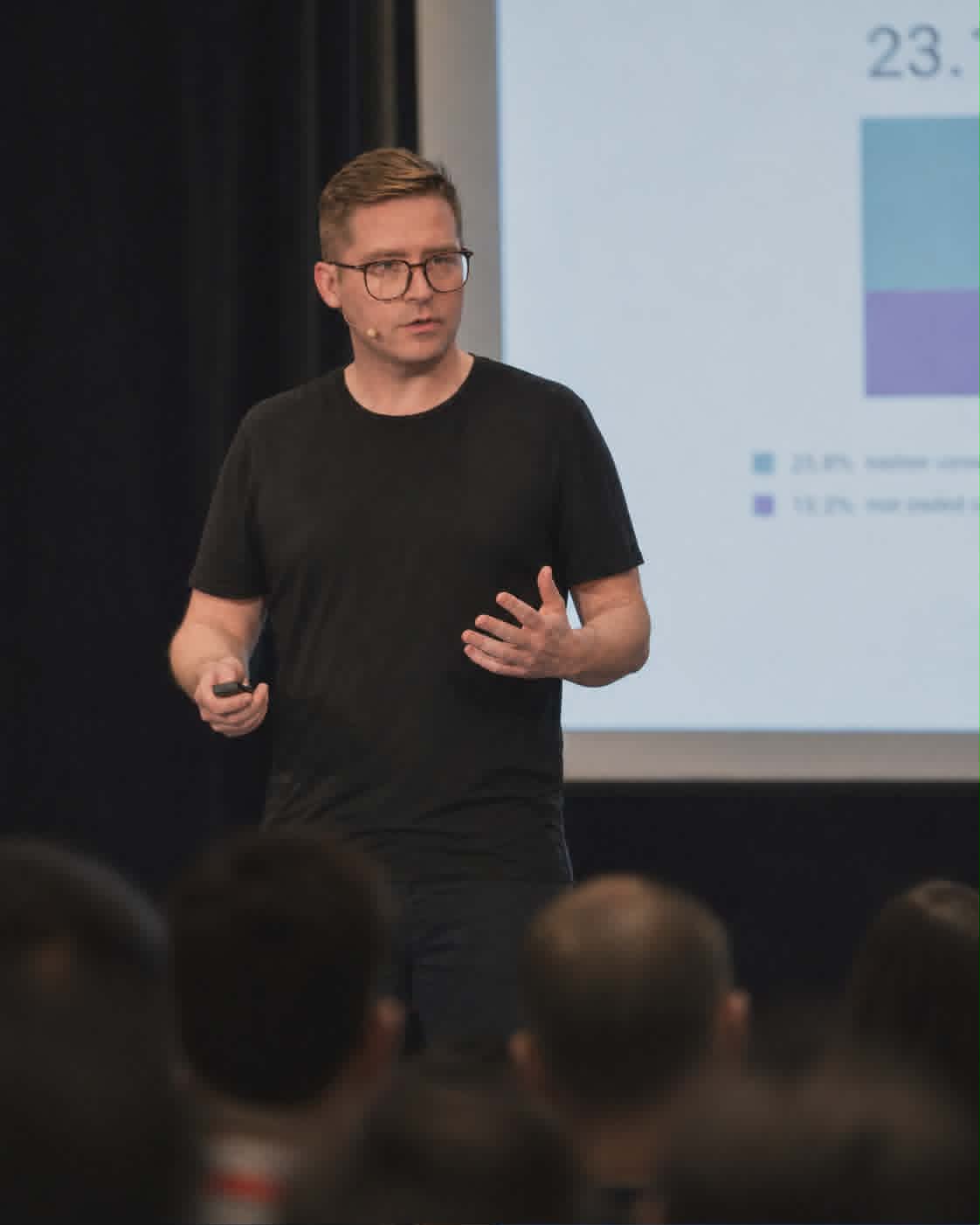
Perrin Carrell
Founder & CEO, break / glass
“Authority comes from saying things no one else can say”
We built break / glass to help mid-market firms create real category-leading authority. There's only one way to do that: publish truly original, proprietary research so you can say stuff no one else can.
Perrin Carrell
Founder & CEO, break / glass
“Authority comes from saying things no one else can say”
We built break / glass to help mid-market firms create real category-leading authority. There's only one way to do that: publish truly original, proprietary research so you can say stuff no one else can.
Perrin Carrell
Founder & CEO, break / glass
10k ft View
Turn original research into thought leadership.
Sharp, relevant, proprietary research is how you can say things no one else can say.
01
Narrative
Own 1-2 key narratives
Analyze your own deals
Identify gaps in the market
Find stories that drive revenue
Own those narratives

Deep analysis of your own deals, RFPs, and your competitors to find key narratives that drive awareness, decisions, and revenue.
02
Research
Own the research
Create original data
Produce new insights
Run real surveys
Add knowledge to the industry

Run truly proprietary research to lead your category by adding new, hyper-relevant infomation to your industury and positioning your firm as a knowledge creator.
03
Distribution
Inject into revenue motions
Sales assets
Marketing assets
Conference assets
PR assets

Turn original research into 50+ assets that create measurable commercial impact by getting invited to more deals, getting shorlisted more, winning more, and shortening sales cycles.
10k ft View
turn
original research into thought leadership.
Sharp, relevant, proprietary research is how you can say things no one else can say.
01
Narrative
Own 1-2 key narratives
Analyze your own deals
Identify gaps in the market
Find stories that drive revenue
Own those narratives
Deep analysis of your own deals, RFPs, and your competitors to find key narratives that drive awareness, decisions, and revenue.
02
Research
Own the research
Create original data
Produce new insights
Run real surveys
Add knowledge to the industry
Run truly proprietary research to lead your category by adding new, hyper-relevant infomation to your industury and positioning your firm as a knowledge creator.
03
Distribution
Inject into revenue motions
Sales assets
Marketing assets
Conference assets
PR assets
Turn original research into 50+ assets that create measurable commercial impact by getting invited to more deals, getting shorlisted more, winning more, and shortening sales cycles.
10k ft View
Turn original research into thought leadership.
Sharp, relevant, proprietary research is how you can say things no one else can say.
01
Narrative
Own 1-2 key narratives
Analyze your own deals
Identify gaps in the market
Find stories that drive revenue
Own those narratives
Deep analysis of your own deals, RFPs, and your competitors to find key narratives that drive awareness, decisions, and revenue.
02
Research
Own the research
Create original data
Produce new insights
Run real surveys
Add knowledge to the industry
Run truly proprietary research to lead your category by adding new, hyper-relevant infomation to your industury and positioning your firm as a knowledge creator.
03
Distribution
Inject into revenue motions
Sales assets
Marketing assets
Conference assets
PR assets
Turn original research into 50+ assets that create measurable commercial impact by getting invited to more deals, getting shorlisted more, winning more, and shortening sales cycles.
Our advantage
Thought leadership drives decisions
Thought leadership (real thought leadership driven by legitimately original insights) creates outsized influence in all parts of the funnel.
of hidden decision-makers say “leading expert in a relevant area” is important in final vendor choice.
# Drives final decisions
of hidden decision-makers say “leading expert in a relevant area” is important in final vendor choice.
# Drives final decisions
of hidden decision-makers say “leading expert in a relevant area” is important in final vendor choice.
# Drives final decisions
Estimated ROI on $194k thought leadership spend among 500+ top firms
# 14x return on investment
Estimated ROI on $194k thought leadership spend among 500+ top firms
# 14x return on investment
Estimated ROI on $194k thought leadership spend among 500+ top firms
# 14x return on investment
of hidden decision-makers say thought leadership is more effective than conventional marketing or sales materials at proving vendor value.
# Better than marketing
of hidden decision-makers say thought leadership is more effective than conventional marketing or sales materials at proving vendor value.
# Better than marketing
of hidden decision-makers say thought leadership is more effective than conventional marketing or sales materials at proving vendor value.
# Better than marketing
owning a clear narrative, with original insights from real research is the single biggest growth lever for any firm selling strategy.
Methodology
A system that builds decades of authority.
Our proprietary methodology — Knowledge Production OS — is designed to create authority that doesn't just win deals now, but compounds over years and even decades, making you a enduring category leader.
01.
Authority mapping
01.
Authority mapping
01.
Authority mapping
02.
Narrative selection
02.
Narrative selection
02.
Narrative selection
03.
Narrative building
03.
Narrative building
03.
Narrative building
04.
Research design
04.
Research design
04.
Research design
05.
Research execution
05.
Research execution
05.
Research execution
06.
Asset productoin
06.
Asset productoin
06.
Asset productoin
07.
Asset distribution
07.
Asset distribution
07.
Asset distribution
08.
Revenue activation
08.
Revenue activation
08.
Revenue activation
What the best firms have in common
Top firms don’t win on capability alone. They win because the market already believes they know where things are going. We studied how 100+ category-leading firms build authority before the RFP, and the top 5% does one thing better than the other 95%: they publish original research that the industry cites, repeats, and remembers.
" height="27.000000230349976px" id="AZ5rAUD3C" transform="translate(15.105 0.585)" width="101.99999884600629px"/></svg>)
" height="26.99999889986204px" id="OQZJC3e03" transform="translate(45.232 0.331)" width="40.000000836026175px"/></svg>)
" height="21px" id="xOMXQJs9d" transform="translate(9.993 3.145)" width="110.0000014016191px"/></svg>)
" height="24px" id="BFto6mHRc" transform="translate(13.105 1.582)" width="103.99999681746522px"/></svg>)
" height="24.999999764476136px" id="GHwrlLkN_" transform="translate(19.751 1.08)" width="89.99999454862063px"/></svg>)
" height="25.999999888944473px" id="RKQqNV_0W" transform="translate(7.027 1.045)" width="115.99999880416044px"/></svg>)

Who benefits?
Different teams. broad revenue impact.
Thought leadership impacts all key teams, whether you’re a marketer building pipeline, an exec closing a deal, or a founder speaking at a conference.
01
Founders & Executives
Own the key narratives in your category.
Own the narratives your customer care about most by saying things no one else can say, from your own, original research.
01
Founders & Executives
Own the key narratives in your category.
Own the narratives your customer care about most by saying things no one else can say, from your own, original research.
01
Founders & Executives
Own the key narratives in your category.
Own the narratives your customer care about most by saying things no one else can say, from your own, original research.
02
Brand & Marketing Teams
Build warm, consistent inbound pipeline.
Create lasting "market memory" of your expertise so that customers come to you first and invite you to more RFPs.
02
Brand & Marketing Teams
Build warm, consistent inbound pipeline.
Create lasting "market memory" of your expertise so that customers come to you first and invite you to more RFPs.
02
Brand & Marketing Teams
Build warm, consistent inbound pipeline.
Create lasting "market memory" of your expertise so that customers come to you first and invite you to more RFPs.
03
Sales & BD Teams
Win more deals on shorter cycles.
Get shortlisted before deals even begin, cut sales cycles in half, win more deals, and compete with much bigger firms.
03
Sales & BD Teams
Win more deals on shorter cycles.
Get shortlisted before deals even begin, cut sales cycles in half, win more deals, and compete with much bigger firms.
03
Sales & BD Teams
Win more deals on shorter cycles.
Get shortlisted before deals even begin, cut sales cycles in half, win more deals, and compete with much bigger firms.
Building $2M+ in pipeline for Pocket Capital in a New Market
Answer, one of Pocket Capital's portfolio projects built over $2M in pipeline for a net-new service in an emerging category.
Break / glass ran a research and thought leadership campaign that opened conversations with Adobe, Experian, Mercedez-Benz and more.
Pipeline generated
$2m+
TOFU leads generated
6K+

Building $2M+ in pipeline for Pocket Capital in a New Market
Answer, one of Pocket Capital's portfolio projects built over $2M in pipeline for a net-new service in an emerging category.
Break / glass ran a research and thought leadership campaign that opened conversations with Adobe, Experian, Mercedez-Benz and more.
Pipeline generated
$2m+
TOFU leads generated
6K+
Building $2M+ in pipeline for Pocket Capital in a New Market
Answer, one of Pocket Capital's portfolio projects built over $2M in pipeline for a net-new service in an emerging category.
Break / glass ran a research and thought leadership campaign that opened conversations with Adobe, Experian, Mercedez-Benz and more.
Pipeline generated
$2m+
TOFU leads generated
6K+
get cited, quoted, and remembered.
Find out what it would take to become the clear category thought leader. Book a chat, and we'll map your industry and build a plan, no obligations.
Plans
custom built for your business
We'll build a plan for you from the ground up.
all plans custom
Launch
For teams starting to bring structure to their goals.
Authority audit
Market gap analysis
Narrative development
4 major research events/yr
50+ thought leadership assets per campaign
Distribution plan & training
Free discovery. No obligations.
Popular
Scale
For growing teams needing clarity and alignment.
Includes everything in Launch, plus:
1 large ICP survey
ICP interviews & data
PR outreach list & strategy
Pre-built PR pitches
Personalized assets for execs & partners
Enterprise
For organizations that run strategy at scale.
Includes everything in Scale, plus:
2 large custom surveys
Advanced analysis & modeling
Premium asset creation
Done-for-you PR activation
Free discovery. No obligations.
all plans custom
Launch
For teams starting to bring structure to their goals.
Authority audit
Market gap analysis
Narrative development
4 major research events/yr
50+ thought leadership assets per campaign
Distribution plan & training
Free discovery. No obligations.
Popular
Scale
For growing teams needing clarity and alignment.
Includes everything in Launch, plus:
1 large ICP survey
ICP interviews & data
PR outreach list & strategy
Pre-built PR pitches
Personalized assets for execs & partners
Enterprise
For organizations that run strategy at scale.
Includes everything in Scale, plus:
2 large custom surveys
Advanced analysis & modeling
Premium asset creation
Done-for-you PR activation
Free discovery. No obligations.
Our Blog
Insights on research & thought leadership
Explore strategies, frameworks, and stories from the companies leading their categories.


Our Blog
Insights on research & thought leadership
Explore strategies, frameworks, and stories from the companies leading their categories.
Our Blog
Insights on research & thought leadership
Explore strategies, frameworks, and stories from the companies leading their categories.
Help & info
Questions & answers
Details on how break / glass works, who it’s built for, and how it creates measurable commercial impact.
01.
How does thought leadership actually drive revenue?
If you sell expertise, thought leadership is likely the single most powerful revenue driver at your disposal. True category thought leaders get invited to more deals, get shortlisted more often, win a lot more deals, and shorten sales cycles. Across 500+ top firms, estimated average return on $194k of thought leadership spend was $2.7m, and that number was expected to increase sharply (data was gathered in 2023). Real, research-driven thought leadership makes you a knowledge producer, which makes you extremely competitive in any closed deal scenario. We're also seeing more and more RFPs specifically ask for thought leadership in some form, and the best possible way to differentiate yourself is to be the firm that everyone else quotes, cites, and remembers.
02.
Why is original research so important?
Original reserach is the difference between “we have a point of view” and “we produced the study everyone in the market is reacting to.” Research gives your partners something resonant to say in sales meetings. It gives your BD team proof points for proposals. It gives conference speakers proprietary material. It gives clients a reason to forward your thinking internally. In other words, it makes you competitive in ways nothing else can, and where that edge is closest to revenue. It also solves the hardest content problem: deciding what to say. When you have real findings, the rest of the campaign has inate gravity. One poll found that 94% of executives say custom research makes thought leadership more effective. That is the whole bet.
03.
How does this help us win RFPs?
Strong thought leadership directly impacts revenue before, during, and after the RFP process. Before an RFP is issued, it can make your firm easier to shortlist because buyers already trust how you think. If your research has shaped the conversation, you may enter the process with a credibility advantage competitors have to build from scratch. During the RFP, it gives you stronger answers to the questions buyers already ask:How are you different? How do you innovate? Where is the market going? What do you know that other firms do not? Some RFPs even ask for thought leadership directly. Many more ask for it indirectly through questions about differentiation, innovation, methodology, and market perspective. After submission, thought leadership gives your internal champions ammunition. It helps them say, “This is the firm that understands where the market is going.” That matters because many consulting deals are not won only in the room. They are won in the internal conversations after the room. Good thought leadership travels into those conversations. It gives buyers something concrete to remember, repeat, and defend.
04.
Can thought leadership really help a less famous firm compete with bigger names?
Yes. That's one of the biggest reasons to do it. Brand recognition matters. But it is not the only thing buyers care about. The biggest study ever done on thought leadership found that 53% of both target and hidden buyers agree that if a company’s thought leadership is high quality, brand recognition matters less. It creates openings for challenger consulting firms. You may not be McKinsey, Deloitte, or Accenture. But if your firm is the one producing the clearest research in a specific category, you can become the most credible option for that problem. In a narrow market, authority beats awareness.
05.
What do we actually get?
Foundationally, we bring decades of experience in thought leadership strategy and research design. Materially, each campaign starts with professional-grade original research and turns that research into a full commercial asset stack. A typical quarterly campaign includes a flagship research piece, an executive summary, LinkedIn content, long-form articles, RFP-ready snippets, conference talking points, presentation slides, newsletter copy, internal talking points, data visualizations, and partner-ready POV material. The point is not to hand you a report and hope someone uses it. The point is to turn one strong research thesis into assets your partners, marketers, and BD team can use everywhere revenue conversations happen.
06.
What kind of research do you produce?
The research depends on the commercial question your firm needs to own. Sometimes that means surveying executives in your target market. Sometimes it means aggregating and analyzing disparate public data. Sometimes it means turning your own proprietary client data into a benchmark or industry insight. Sometimes it means building an index, scorecard, or market map. The format matters less than the outcome. The research needs to produce findings that are credible, useful, and commercially relevant. A good study should make a prospect think: “They understand this problem better than anyone else we are talking to.”
07.
We already have a marketing team. Do we need this?
This doese not replace your marketing team. It gives them exponentially more potent ammunition. Most internal marketing teams are already stretched across events, proposals, website updates, newsletters, recruiting, partner requests, and urgent BD needs. Thought leadership gets delayed because it requires deep expertise, partner access, research design, data engineering, writing, positioning, graphic design, and distribution planning. Plus, true, incisive, original research campaigns are extremely difficult to run and often lie outside the expertise of marketing generalists. We bring a professional-grade research engine and strategic narrative. Your team gets a complete campaign with high-frequency information that they can use to focus entirely on activation/distribution for months at a time.
08.
What is the cost of doing nothing?
The cost is being excellent but interchangeable. Many consulting firms have strong people, strong client work, and strong expertise. But from the outside, they sound like everyone else. Same claims, same case studies, same promises. That creates a revenue problem. If buyers cannot tell why your thinking is different, they compare you on familiarity, relationships, risk, and price. Thought leadership gives them another basis for choosing you: that you are the one setting the narrative in the category. It creates a wholly unfair advantage.
09.
What if the research does not uncover anything interesting?
That's why research design matters (and why we place such a heavy emphasis on it). Bad thought leadership starts with a topic. Good thought leadership starts with a tension. What does the market believe that might be wrong? Where are buyers underestimating risk? What's changing faster than leaders realize? What are competitors afraid to say? What would make a managing partner say, “We need to be the firm that publishes that”? We do not run research just to collect statistics. We excavate the narratives closest to your buyers, and then we design research to find the insights that allow you to own them.
10.
Who is this for?
This is for any company that sells expertise into complex buying environments. It is especially relevant for mid-market firms that are strong enough to win serious work but not yet recognized as the obvious authority in their category. If your firm depends on RFPs, referrals, partner reputation, executive trust, or high-stakes sales conversations, you're a great fit. However, it's also a strong fit for enterprise SaaS, government agencies, and anyone else who needs to publish serious expertise. This is not for firms that want daily content volume, generic PR, low-level pay-per-post services, or quick-fix lead generation. It's important to understand that this a premium service where we hope to build lasting partnerships and contribute meaningful bottom line for a long time. It's for firms that want to become known for a point of view the market cannot ignore.
11.
Why work on this annually instead of one campaign at a time?
One campaign can create attention. Consistent reserach creates what we call "market memory": a collective recognition in your category that you are a net-producer of knowledge, information, and best practices. A single report gives your firm something to talk about. Four research cycles create a platform: a body of evidence, a repeatable market presence, and a growing library of insights your partners can use in BD, proposals, events, recruiting, and client conversations. The goal is not to publish once; it's to become the firm people quote, cite, and remember.
Still need a hand?
We’re here to help you find the right roadmap. If you didn’t find what you were looking for, our team will point you in the right direction.
Help & info
Questions & answers
Details on how break / glass works, who it’s built for, and how it creates measurable commercial impact.
01.
How does thought leadership actually drive revenue?
If you sell expertise, thought leadership is likely the single most powerful revenue driver at your disposal. True category thought leaders get invited to more deals, get shortlisted more often, win a lot more deals, and shorten sales cycles. Across 500+ top firms, estimated average return on $194k of thought leadership spend was $2.7m, and that number was expected to increase sharply (data was gathered in 2023). Real, research-driven thought leadership makes you a knowledge producer, which makes you extremely competitive in any closed deal scenario. We're also seeing more and more RFPs specifically ask for thought leadership in some form, and the best possible way to differentiate yourself is to be the firm that everyone else quotes, cites, and remembers.
02.
Why is original research so important?
Original reserach is the difference between “we have a point of view” and “we produced the study everyone in the market is reacting to.” Research gives your partners something resonant to say in sales meetings. It gives your BD team proof points for proposals. It gives conference speakers proprietary material. It gives clients a reason to forward your thinking internally. In other words, it makes you competitive in ways nothing else can, and where that edge is closest to revenue. It also solves the hardest content problem: deciding what to say. When you have real findings, the rest of the campaign has inate gravity. One poll found that 94% of executives say custom research makes thought leadership more effective. That is the whole bet.
03.
How does this help us win RFPs?
Strong thought leadership directly impacts revenue before, during, and after the RFP process. Before an RFP is issued, it can make your firm easier to shortlist because buyers already trust how you think. If your research has shaped the conversation, you may enter the process with a credibility advantage competitors have to build from scratch. During the RFP, it gives you stronger answers to the questions buyers already ask:How are you different? How do you innovate? Where is the market going? What do you know that other firms do not? Some RFPs even ask for thought leadership directly. Many more ask for it indirectly through questions about differentiation, innovation, methodology, and market perspective. After submission, thought leadership gives your internal champions ammunition. It helps them say, “This is the firm that understands where the market is going.” That matters because many consulting deals are not won only in the room. They are won in the internal conversations after the room. Good thought leadership travels into those conversations. It gives buyers something concrete to remember, repeat, and defend.
04.
Can thought leadership really help a less famous firm compete with bigger names?
Yes. That's one of the biggest reasons to do it. Brand recognition matters. But it is not the only thing buyers care about. The biggest study ever done on thought leadership found that 53% of both target and hidden buyers agree that if a company’s thought leadership is high quality, brand recognition matters less. It creates openings for challenger consulting firms. You may not be McKinsey, Deloitte, or Accenture. But if your firm is the one producing the clearest research in a specific category, you can become the most credible option for that problem. In a narrow market, authority beats awareness.
05.
What do we actually get?
Foundationally, we bring decades of experience in thought leadership strategy and research design. Materially, each campaign starts with professional-grade original research and turns that research into a full commercial asset stack. A typical quarterly campaign includes a flagship research piece, an executive summary, LinkedIn content, long-form articles, RFP-ready snippets, conference talking points, presentation slides, newsletter copy, internal talking points, data visualizations, and partner-ready POV material. The point is not to hand you a report and hope someone uses it. The point is to turn one strong research thesis into assets your partners, marketers, and BD team can use everywhere revenue conversations happen.
06.
What kind of research do you produce?
The research depends on the commercial question your firm needs to own. Sometimes that means surveying executives in your target market. Sometimes it means aggregating and analyzing disparate public data. Sometimes it means turning your own proprietary client data into a benchmark or industry insight. Sometimes it means building an index, scorecard, or market map. The format matters less than the outcome. The research needs to produce findings that are credible, useful, and commercially relevant. A good study should make a prospect think: “They understand this problem better than anyone else we are talking to.”
07.
We already have a marketing team. Do we need this?
This doese not replace your marketing team. It gives them exponentially more potent ammunition. Most internal marketing teams are already stretched across events, proposals, website updates, newsletters, recruiting, partner requests, and urgent BD needs. Thought leadership gets delayed because it requires deep expertise, partner access, research design, data engineering, writing, positioning, graphic design, and distribution planning. Plus, true, incisive, original research campaigns are extremely difficult to run and often lie outside the expertise of marketing generalists. We bring a professional-grade research engine and strategic narrative. Your team gets a complete campaign with high-frequency information that they can use to focus entirely on activation/distribution for months at a time.
08.
What is the cost of doing nothing?
The cost is being excellent but interchangeable. Many consulting firms have strong people, strong client work, and strong expertise. But from the outside, they sound like everyone else. Same claims, same case studies, same promises. That creates a revenue problem. If buyers cannot tell why your thinking is different, they compare you on familiarity, relationships, risk, and price. Thought leadership gives them another basis for choosing you: that you are the one setting the narrative in the category. It creates a wholly unfair advantage.
09.
What if the research does not uncover anything interesting?
That's why research design matters (and why we place such a heavy emphasis on it). Bad thought leadership starts with a topic. Good thought leadership starts with a tension. What does the market believe that might be wrong? Where are buyers underestimating risk? What's changing faster than leaders realize? What are competitors afraid to say? What would make a managing partner say, “We need to be the firm that publishes that”? We do not run research just to collect statistics. We excavate the narratives closest to your buyers, and then we design research to find the insights that allow you to own them.
10.
Who is this for?
This is for any company that sells expertise into complex buying environments. It is especially relevant for mid-market firms that are strong enough to win serious work but not yet recognized as the obvious authority in their category. If your firm depends on RFPs, referrals, partner reputation, executive trust, or high-stakes sales conversations, you're a great fit. However, it's also a strong fit for enterprise SaaS, government agencies, and anyone else who needs to publish serious expertise. This is not for firms that want daily content volume, generic PR, low-level pay-per-post services, or quick-fix lead generation. It's important to understand that this a premium service where we hope to build lasting partnerships and contribute meaningful bottom line for a long time. It's for firms that want to become known for a point of view the market cannot ignore.
11.
Why work on this annually instead of one campaign at a time?
One campaign can create attention. Consistent reserach creates what we call "market memory": a collective recognition in your category that you are a net-producer of knowledge, information, and best practices. A single report gives your firm something to talk about. Four research cycles create a platform: a body of evidence, a repeatable market presence, and a growing library of insights your partners can use in BD, proposals, events, recruiting, and client conversations. The goal is not to publish once; it's to become the firm people quote, cite, and remember.
Still need a hand?
We’re here to help you find the right roadmap. If you didn’t find what you were looking for, our team will point you in the right direction.
Help & info
Questions & answers
Details on how break / glass works, who it’s built for, and how it creates measurable commercial impact.
01.
How does thought leadership actually drive revenue?
If you sell expertise, thought leadership is likely the single most powerful revenue driver at your disposal. True category thought leaders get invited to more deals, get shortlisted more often, win a lot more deals, and shorten sales cycles. Across 500+ top firms, estimated average return on $194k of thought leadership spend was $2.7m, and that number was expected to increase sharply (data was gathered in 2023). Real, research-driven thought leadership makes you a knowledge producer, which makes you extremely competitive in any closed deal scenario. We're also seeing more and more RFPs specifically ask for thought leadership in some form, and the best possible way to differentiate yourself is to be the firm that everyone else quotes, cites, and remembers.
02.
Why is original research so important?
Original reserach is the difference between “we have a point of view” and “we produced the study everyone in the market is reacting to.” Research gives your partners something resonant to say in sales meetings. It gives your BD team proof points for proposals. It gives conference speakers proprietary material. It gives clients a reason to forward your thinking internally. In other words, it makes you competitive in ways nothing else can, and where that edge is closest to revenue. It also solves the hardest content problem: deciding what to say. When you have real findings, the rest of the campaign has inate gravity. One poll found that 94% of executives say custom research makes thought leadership more effective. That is the whole bet.
03.
How does this help us win RFPs?
Strong thought leadership directly impacts revenue before, during, and after the RFP process. Before an RFP is issued, it can make your firm easier to shortlist because buyers already trust how you think. If your research has shaped the conversation, you may enter the process with a credibility advantage competitors have to build from scratch. During the RFP, it gives you stronger answers to the questions buyers already ask:How are you different? How do you innovate? Where is the market going? What do you know that other firms do not? Some RFPs even ask for thought leadership directly. Many more ask for it indirectly through questions about differentiation, innovation, methodology, and market perspective. After submission, thought leadership gives your internal champions ammunition. It helps them say, “This is the firm that understands where the market is going.” That matters because many consulting deals are not won only in the room. They are won in the internal conversations after the room. Good thought leadership travels into those conversations. It gives buyers something concrete to remember, repeat, and defend.
04.
Can thought leadership really help a less famous firm compete with bigger names?
Yes. That's one of the biggest reasons to do it. Brand recognition matters. But it is not the only thing buyers care about. The biggest study ever done on thought leadership found that 53% of both target and hidden buyers agree that if a company’s thought leadership is high quality, brand recognition matters less. It creates openings for challenger consulting firms. You may not be McKinsey, Deloitte, or Accenture. But if your firm is the one producing the clearest research in a specific category, you can become the most credible option for that problem. In a narrow market, authority beats awareness.
05.
What do we actually get?
Foundationally, we bring decades of experience in thought leadership strategy and research design. Materially, each campaign starts with professional-grade original research and turns that research into a full commercial asset stack. A typical quarterly campaign includes a flagship research piece, an executive summary, LinkedIn content, long-form articles, RFP-ready snippets, conference talking points, presentation slides, newsletter copy, internal talking points, data visualizations, and partner-ready POV material. The point is not to hand you a report and hope someone uses it. The point is to turn one strong research thesis into assets your partners, marketers, and BD team can use everywhere revenue conversations happen.
06.
What kind of research do you produce?
The research depends on the commercial question your firm needs to own. Sometimes that means surveying executives in your target market. Sometimes it means aggregating and analyzing disparate public data. Sometimes it means turning your own proprietary client data into a benchmark or industry insight. Sometimes it means building an index, scorecard, or market map. The format matters less than the outcome. The research needs to produce findings that are credible, useful, and commercially relevant. A good study should make a prospect think: “They understand this problem better than anyone else we are talking to.”
07.
We already have a marketing team. Do we need this?
This doese not replace your marketing team. It gives them exponentially more potent ammunition. Most internal marketing teams are already stretched across events, proposals, website updates, newsletters, recruiting, partner requests, and urgent BD needs. Thought leadership gets delayed because it requires deep expertise, partner access, research design, data engineering, writing, positioning, graphic design, and distribution planning. Plus, true, incisive, original research campaigns are extremely difficult to run and often lie outside the expertise of marketing generalists. We bring a professional-grade research engine and strategic narrative. Your team gets a complete campaign with high-frequency information that they can use to focus entirely on activation/distribution for months at a time.
08.
What is the cost of doing nothing?
The cost is being excellent but interchangeable. Many consulting firms have strong people, strong client work, and strong expertise. But from the outside, they sound like everyone else. Same claims, same case studies, same promises. That creates a revenue problem. If buyers cannot tell why your thinking is different, they compare you on familiarity, relationships, risk, and price. Thought leadership gives them another basis for choosing you: that you are the one setting the narrative in the category. It creates a wholly unfair advantage.
09.
What if the research does not uncover anything interesting?
That's why research design matters (and why we place such a heavy emphasis on it). Bad thought leadership starts with a topic. Good thought leadership starts with a tension. What does the market believe that might be wrong? Where are buyers underestimating risk? What's changing faster than leaders realize? What are competitors afraid to say? What would make a managing partner say, “We need to be the firm that publishes that”? We do not run research just to collect statistics. We excavate the narratives closest to your buyers, and then we design research to find the insights that allow you to own them.
10.
Who is this for?
This is for any company that sells expertise into complex buying environments. It is especially relevant for mid-market firms that are strong enough to win serious work but not yet recognized as the obvious authority in their category. If your firm depends on RFPs, referrals, partner reputation, executive trust, or high-stakes sales conversations, you're a great fit. However, it's also a strong fit for enterprise SaaS, government agencies, and anyone else who needs to publish serious expertise. This is not for firms that want daily content volume, generic PR, low-level pay-per-post services, or quick-fix lead generation. It's important to understand that this a premium service where we hope to build lasting partnerships and contribute meaningful bottom line for a long time. It's for firms that want to become known for a point of view the market cannot ignore.
11.
Why work on this annually instead of one campaign at a time?
One campaign can create attention. Consistent reserach creates what we call "market memory": a collective recognition in your category that you are a net-producer of knowledge, information, and best practices. A single report gives your firm something to talk about. Four research cycles create a platform: a body of evidence, a repeatable market presence, and a growing library of insights your partners can use in BD, proposals, events, recruiting, and client conversations. The goal is not to publish once; it's to become the firm people quote, cite, and remember.
Still need a hand?
We’re here to help you find the right roadmap. If you didn’t find what you were looking for, our team will point you in the right direction.
Free consultation
SEE HOW b/g FITS INTO YOUR legacy.
"Break / glass unlocked an entirely new category of client for us. We signed a $7b company."

Sebastian Schafer
Founder, Pocket Capital
It's not enough to just be excellent at what you do; the challenge is translating that expertise into lasting authority that actively creates revenue.
Tell us how about your firm, and we’ll prepare a full authority map & preliminary strategy free of charge.
Free consultation
SEE HOW b/g FITS INTO YOUR legacy.
It's not enough to just be excellent at what you do; the challenge is translating that expertise into lasting authority that actively creates revenue.
Tell us how about your firm, and we’ll prepare a full authority map & preliminary strategy free of charge.
"Strativ helped us uncover gaps in our decision-making that we didn’t even realize were slowing us down. The clarity we gained in a single session changed the way our team operates."

Daniel Brooks
Head of Product @ Helio Systems
Free consultation
SEE HOW b/g FITS INTO YOUR legacy.
It's not enough to just be excellent at what you do; the challenge is translating that expertise into lasting authority that actively creates revenue.
Tell us how about your firm, and we’ll prepare a full authority map & preliminary strategy free of charge.
"Strativ helped us uncover gaps in our decision-making that we didn’t even realize were slowing us down. The clarity we gained in a single session changed the way our team operates."
Daniel Brooks
Head of Product @ Helio Systems